
- Teacher: Semanti Pathak
- Teacher: Vanessa Voller
Macalester Moodle
Search results: 2234
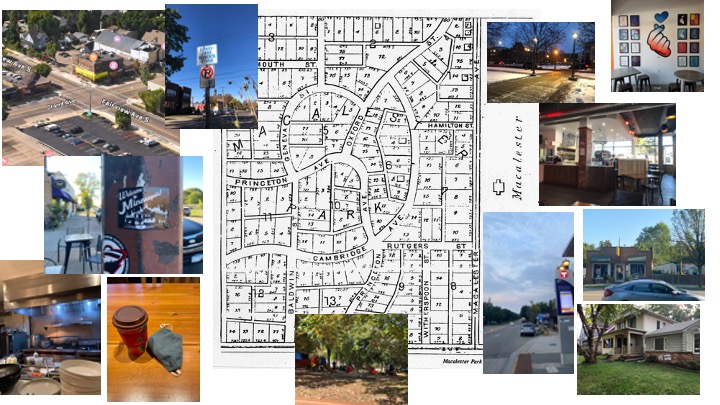
This course is an introduction to qualitative research methods used in sociology to understand the social structures behind people’s actions by conducting systematic participant observation and analysis. We will focus our attention on ethnography and in-depth interviewing (or ethnographic interviewing). In case you would like to learn other qualitative research methods such as visual analysis, text analysis, or focus groups, I will be happy to guide your reading outside of class.
In most sociology classes, we read scholars’ research. In this case, we will learn how to use qualitative research methods and conduct our research in the Macalester – Groveland neighborhood in St. Paul. Each of the group projects will compose a mosaic of the neighborhood where Macalester College is located, including campus locations and the “Macalester bubble.” The thread that will connect your research is the concept “racial grammar” (Bonilla-Silva 2012). By using the same concept, you will learn how to employ theory to analyze empirical data and make an argument. Thus, this course provides you with an opportunity to learn how to collect information and interpret the information. Further, as we will work in small groups throughout the semester, you will hone your group and collaborative skills.
Furthermore, conducting qualitative research often requires a great deal of discussion of the problems, joys, and challenges one faces in the field, which broadens our base of knowledge. We need to listen, devise strategies, and learn about ways others react to similar events or situations we may encounter in the field. Therefore, please feel free to bring up any issues you are experiencing in conducting your research.
In most sociology classes, we read scholars’ research. In this case, we will learn how to use qualitative research methods and conduct our research in the Macalester – Groveland neighborhood in St. Paul. Each of the group projects will compose a mosaic of the neighborhood where Macalester College is located, including campus locations and the “Macalester bubble.” The thread that will connect your research is the concept “racial grammar” (Bonilla-Silva 2012). By using the same concept, you will learn how to employ theory to analyze empirical data and make an argument. Thus, this course provides you with an opportunity to learn how to collect information and interpret the information. Further, as we will work in small groups throughout the semester, you will hone your group and collaborative skills.
Furthermore, conducting qualitative research often requires a great deal of discussion of the problems, joys, and challenges one faces in the field, which broadens our base of knowledge. We need to listen, devise strategies, and learn about ways others react to similar events or situations we may encounter in the field. Therefore, please feel free to bring up any issues you are experiencing in conducting your research.
- Teacher: Erika Busse-Cárdenas
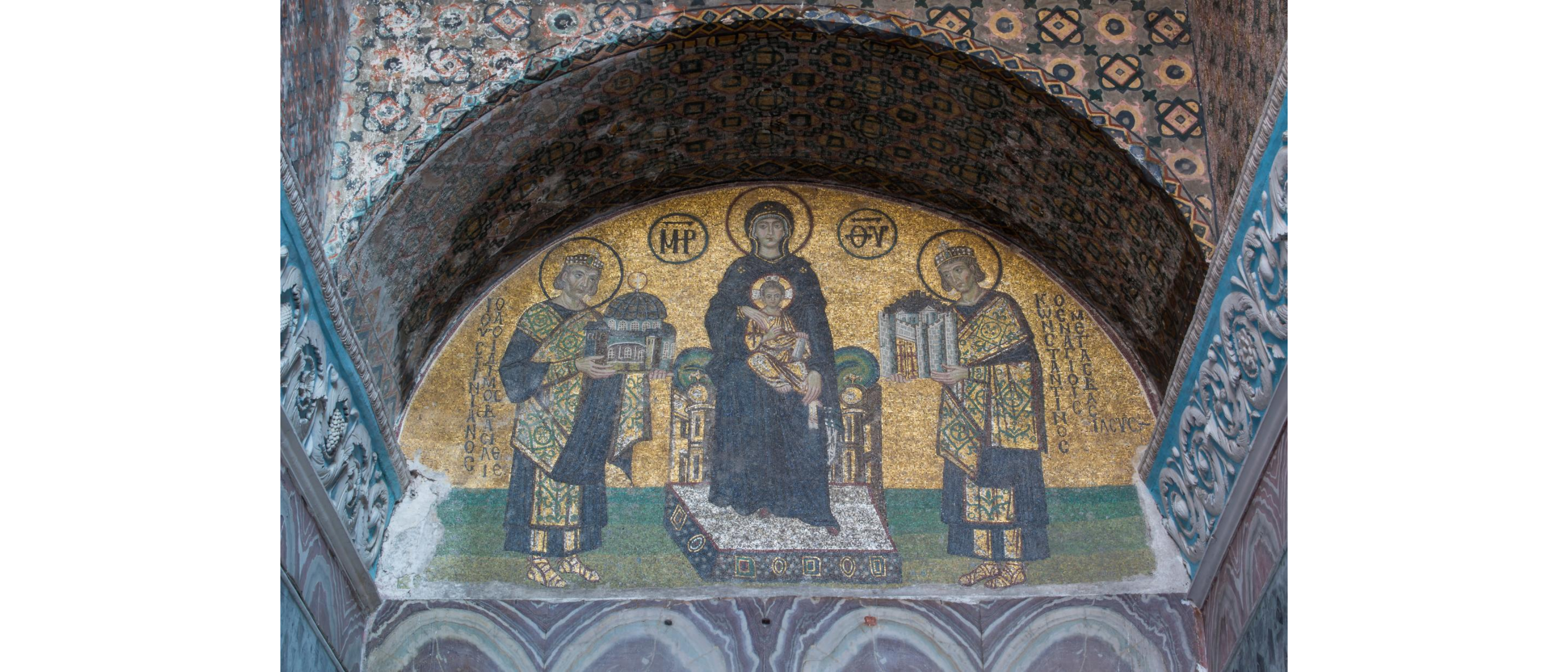
This course surveys the visual and material culture of Europe and Western Asia from the beginning of the Neolithic (ca. 10000 BCE) through the late Medieval period (ca. 1400 CE). We consider the material remains from ancient Western Asia, Egypt, the Aegean, Greece, Etruria, and Rome; early Christianity, Judaism and Islam; and Early Medieval, Romanesque and Gothic Europe from a contextual perspective. Our main goal will be to recover the meanings of works of art and architecture within the cultures that produced them. How did images and architecture work in the pre-modern world? Who were the patrons of art and architecture in different cultures and what were their motivations in commissioning those works? Who were the intended audience? In addition to these main questions, we will discuss the ethics of appropriating and displaying art objects and images in modern museums and private collections.
- Teacher: Serdar Yalçin

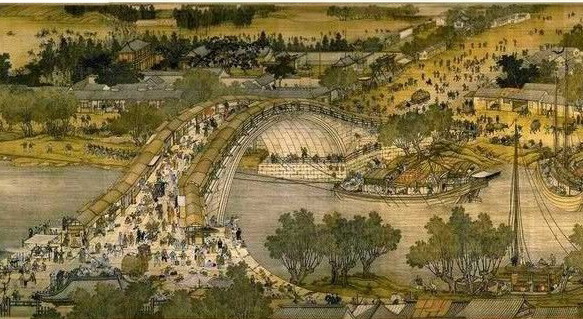
East Asia encompasses the incredibly varied modern states of China, Japan, and Korea. In many ways, it is a difficulty and arbitrary geographic distinction rather than any sort of a unified cultural or political unit. However, in some ways it is also a useful distinction, and it is these aspects which we will focus on. Students will gain a broad‐based historical and cultural understanding of East Asia in its global context, beginning with the origins of this culture, and including its inter‐regional connections and its encounters with the West. In this way, this course addresses the preconception that East Asia existed unchanged until the arrival of Europeans. The theme of this course is “Contact and Change,” which will afford an opportunity to examine two of the principal challenges facing historians: accounting for change and understanding people and societies separated from us by space and time.
- Teacher: James Coplin
- Teacher: Ali Alizadeh
- Teacher: Sarah Choi
- Teacher: Arlo Heitler

- Teacher: Holly Barcus
- Teacher: Ashley Nepp
- Teacher: Ella DeMay
- Teacher: Felix Friedt