- Teacher: Sonia Mehta
Macalester Moodle
Search results: 2205

- Teacher: Ethen Kantu
- Teacher: Will Mitchell

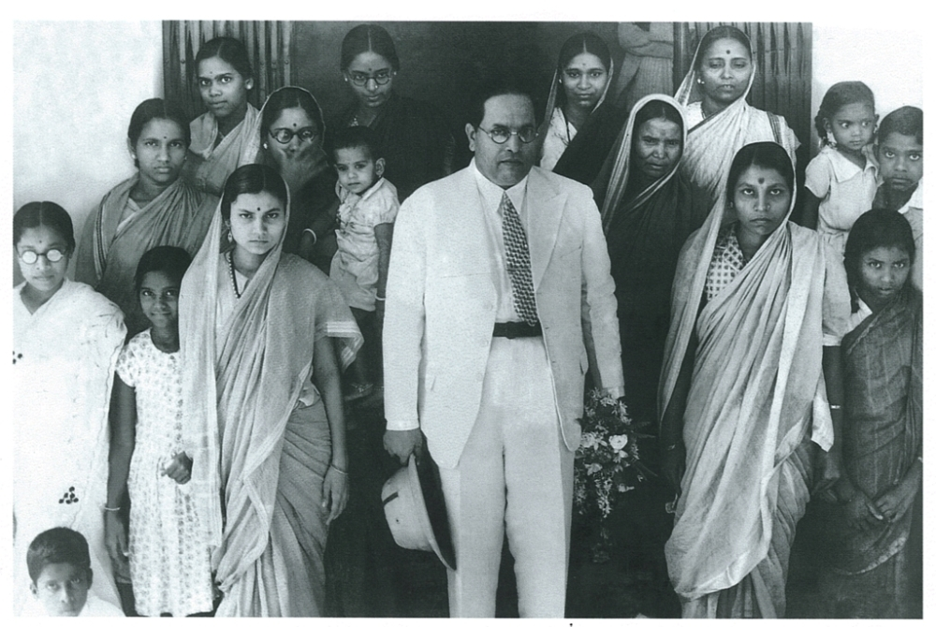
In 1947, India embarked upon one of the world’s most ambitious experiments in postcolonial democracy. This course surveys the history of the Indian state and society in the decades following the formal end of colonial rule, as the country sought to rebuild its economy, institute a new political system, and usher in large-scale social change. Given India’s immense cultural and social diversity, this was no easy task. It required answering a range of questions: How would the state ensure the rights of the country’s minorities? How would the country’s model of economic growth address wide-ranging demands for social equality? Which of India’s many languages would be designated its official language? Underlying all these questions were debates concerning the history, present, and future of Indian society.
In this course, we will consider postcolonial India from its “margins”, that is, by centering the perspectives of migrant workers, Dalits, women, and/or revolutionaries. We will use the ideas and practices crafted by these groups as our guides in assessing the political record of the Indian state.
While surveying this history, we will also study recent shifts and challenges confronting Indian democracy. Today, India is one of the fastest growing economies; it is also a country with some of the most extreme forms of social inequality. According to a recent report by Oxfam, 10% of the Indian population holds 77% of the country’s national wealth. However, reports of social inequality in India, such as the one cited above, exist alongside celebrations of its status as the “world’s largest democracy” in the national press and in global media. Considering this, what does it mean to call India a “democracy”? How do we assess the successes and failures of Indian democracy?
The challenges we will discuss are not unique to Indian democracy. Democracies everywhere struggle to balance the claims of freedom for individuals with the promise of social equality for all. India’s paradoxical, complex, and contradictory encounter with democracy has produced a rich archive of debate and contestation on this issue. This course will not only introduce you to key events, ideas, and issues shaping postcolonial Indian history, but also provide you with conceptual resources to investigate political ideas like democracy in a global, historical perspective.
Through a combination of secondary texts and a range of primary sources from postcolonial Indian history, we will develop a complex picture of the relationship, often contradictory, between the promises of democracy, development, and decolonization in postcolonial societies. You do not require any prior knowledge of Indian history or languages for this course.

In this course, we will consider postcolonial India from its “margins”, that is, by centering the perspectives of migrant workers, Dalits, women, and/or revolutionaries. We will use the ideas and practices crafted by these groups as our guides in assessing the political record of the Indian state.
While surveying this history, we will also study recent shifts and challenges confronting Indian democracy. Today, India is one of the fastest growing economies; it is also a country with some of the most extreme forms of social inequality. According to a recent report by Oxfam, 10% of the Indian population holds 77% of the country’s national wealth. However, reports of social inequality in India, such as the one cited above, exist alongside celebrations of its status as the “world’s largest democracy” in the national press and in global media. Considering this, what does it mean to call India a “democracy”? How do we assess the successes and failures of Indian democracy?
The challenges we will discuss are not unique to Indian democracy. Democracies everywhere struggle to balance the claims of freedom for individuals with the promise of social equality for all. India’s paradoxical, complex, and contradictory encounter with democracy has produced a rich archive of debate and contestation on this issue. This course will not only introduce you to key events, ideas, and issues shaping postcolonial Indian history, but also provide you with conceptual resources to investigate political ideas like democracy in a global, historical perspective.
Through a combination of secondary texts and a range of primary sources from postcolonial Indian history, we will develop a complex picture of the relationship, often contradictory, between the promises of democracy, development, and decolonization in postcolonial societies. You do not require any prior knowledge of Indian history or languages for this course.
- Teacher: Niharika Yadav

Narrativas contra el exterminio: memoria cultural en el Amazonas y la Patagonia
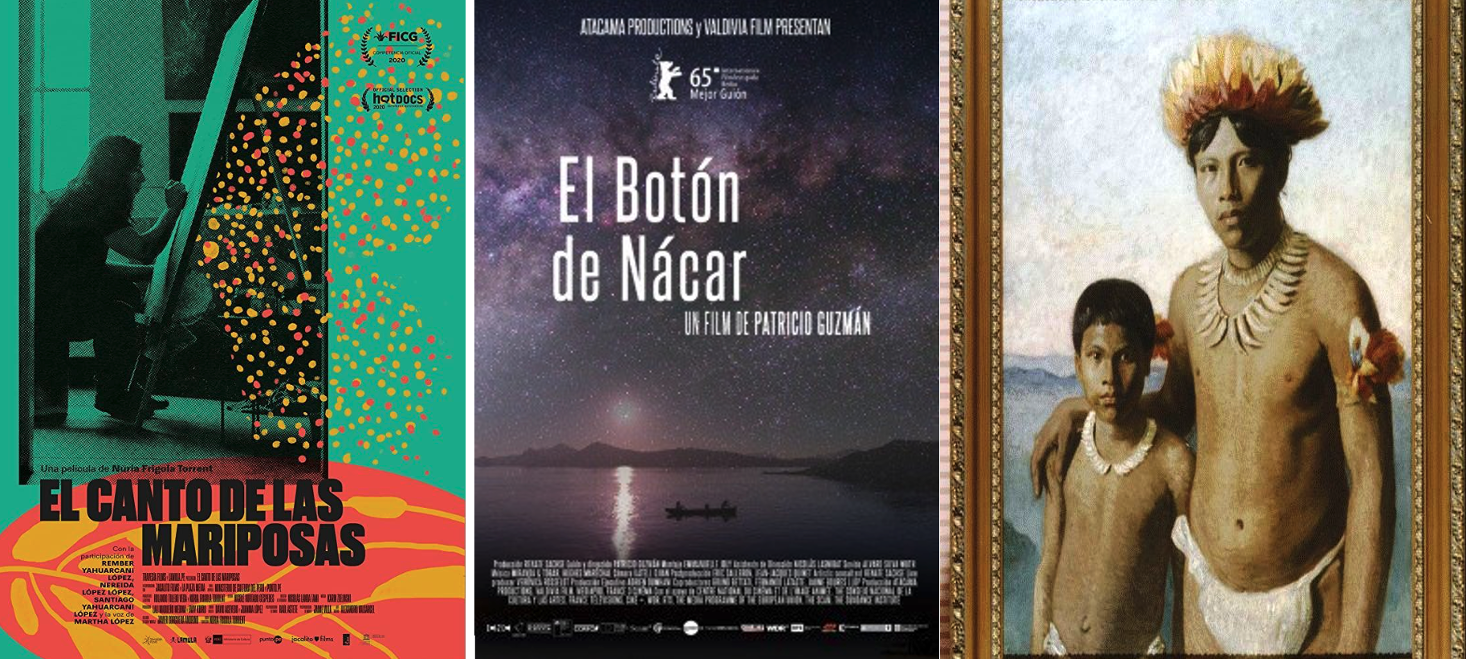
Desde el norte del Amazonas hasta la Patagonia austral, la expansión de las naciones suramericanas en el siglo XIX estuvo fundada en la aculturación, el desplazamiento y el exterminio de numerosas poblaciones nativas. No obstante, pese a su alto grado de violencia, eventos como el genocidio selknam (Chile) o “las atrocidades del Putumayo” (Colombia-Perú) se encuentran en los márgenes de la memoria cultural de la región. Las obras culturales que analizaremos en este curso nos ayudarán a entender no solo lo que estos eventos traumáticos significan hoy, sino los límites y las contradicciones de cualquier acto de memoria. ¿Cómo dar forma narrativa a un crimen de lesa humanidad? ¿De qué manera los descendientes de las víctimas, activistas y artistas complican y cuestionan las narrativas en torno al “exterminio”? ¿Qué formas de reparación son apropiadas hoy? En este curso responderemos estas preguntas por medio del análisis de una amplia variedad de voces y textos, desde los diarios personales de un activista en derechos humanos hasta un wéstern. El curso se dividirá en dos unidades geográficas que proveerán el marco general de nuestras discusiones:
I. El noroeste del Amazonas (Perú-Colombia)
II. La Patagonia austral (Chile-Argentina)
Desde el norte del Amazonas hasta la Patagonia austral, la expansión de las naciones suramericanas en el siglo XIX estuvo fundada en la aculturación, el desplazamiento y el exterminio de numerosas poblaciones nativas. No obstante, pese a su alto grado de violencia, eventos como el genocidio selknam (Chile) o “las atrocidades del Putumayo” (Colombia-Perú) se encuentran en los márgenes de la memoria cultural de la región. Las obras culturales que analizaremos en este curso nos ayudarán a entender no solo lo que estos eventos traumáticos significan hoy, sino los límites y las contradicciones de cualquier acto de memoria. ¿Cómo dar forma narrativa a un crimen de lesa humanidad? ¿De qué manera los descendientes de las víctimas, activistas y artistas complican y cuestionan las narrativas en torno al “exterminio”? ¿Qué formas de reparación son apropiadas hoy? En este curso responderemos estas preguntas por medio del análisis de una amplia variedad de voces y textos, desde los diarios personales de un activista en derechos humanos hasta un wéstern. El curso se dividirá en dos unidades geográficas que proveerán el marco general de nuestras discusiones:
I. El noroeste del Amazonas (Perú-Colombia)
II. La Patagonia austral (Chile-Argentina)
- Teacher: Daniel Coral Reyes

Let's get started *Applying Developmental Psychology to 21st Century Challenges!*
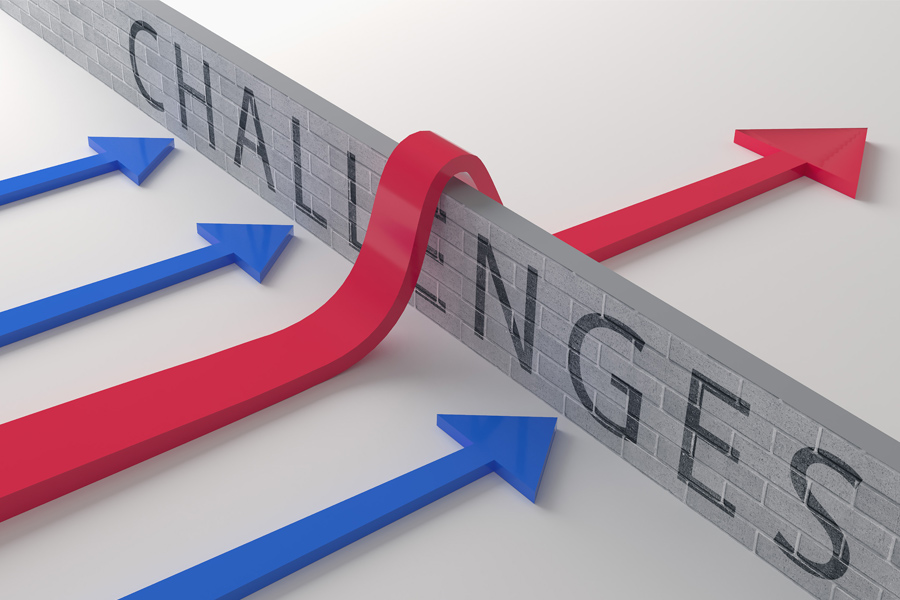
Developmental psychology has generated theories, research evidence, and scientific tools for fostering resilient societies where children and families from diverse backgrounds can thrive. This course will apply insights from developmental psychology to understand major societal trends impacting the developing child, including pandemics, migration, racial justice movements, mental health, and climate change. Students will survey the latest research on these topics and critically analyze every step of the scientific process, from grant funding, to choosing ethical and effective research methods, to the communication of scientific findings to the public and policymakers.
- Teacher: Sarah Gillespie
- Teacher: Morgan Adamson
- Teacher: Torrance Williams

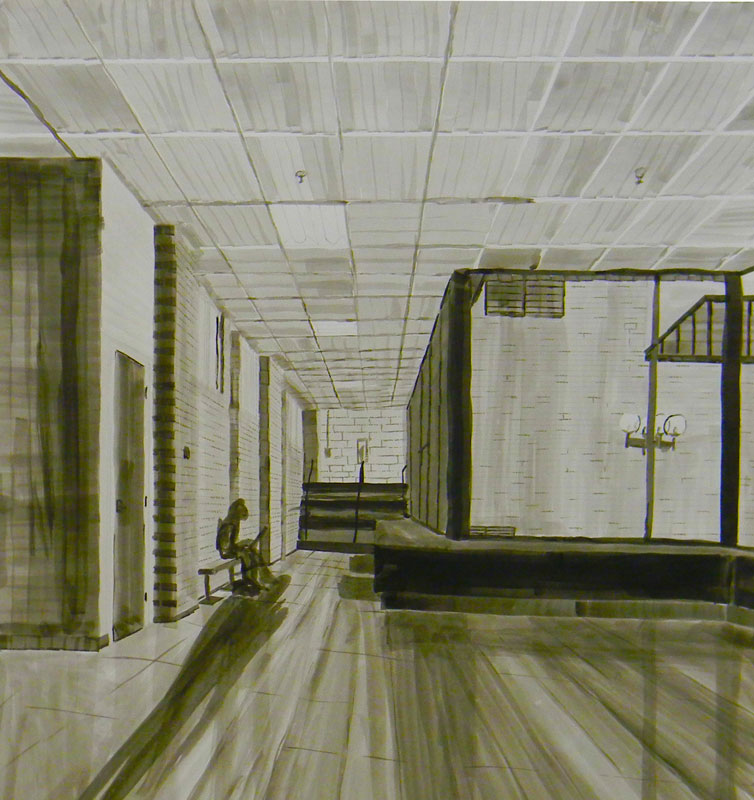
This course introduces students to the fundamental concepts, techniques and practices of drawing. Through a variety of exercises and projects, students will explore line, shape, form, perspective, composition and value using various drawing materials with the goal of developing freehand drawing skills.
- Teacher: Brandon Chambers