
- Teacher: Lauren Milne
Macalester Moodle
Search results: 2234

- Teacher: Kelsey Grinde
- Teacher: Will Mitchell

- Teacher: Suhas Arehalli
- Teacher: Andrew Beveridge
- Teacher: Taryn Flock
- Teacher: Susan Fox
- Teacher: Brianna Heggeseth
- Teacher: Kristin Heysse
- Teacher: Abby Marsh
- Teacher: Lauren Milne
- Teacher: Will Mitchell
- Teacher: Leslie Myint
- Teacher: Lori Ziegelmeier
Category: MATH

- Teacher: Amin Alhashim
- Teacher: Suhas Arehalli
- Teacher: Andrew Beveridge
- Teacher: Dave Ehren
- Teacher: Elizabeth Ernst
- Teacher: Jason McDonald
- Teacher: Leslie Myint
- Teacher: Daniel O'Loughlin
- Teacher: Taylor Okonek
- Teacher: Getiria Onsongo
- Teacher: Lori Ziegelmeier
- Teacher: Jerald Dosch
- Teacher: Taran Palli

- Teacher: Louisa Bradtmiller
SPAN
- Teacher: Cynthia Kauffeld

POLI
- Teacher: Rothin Datta
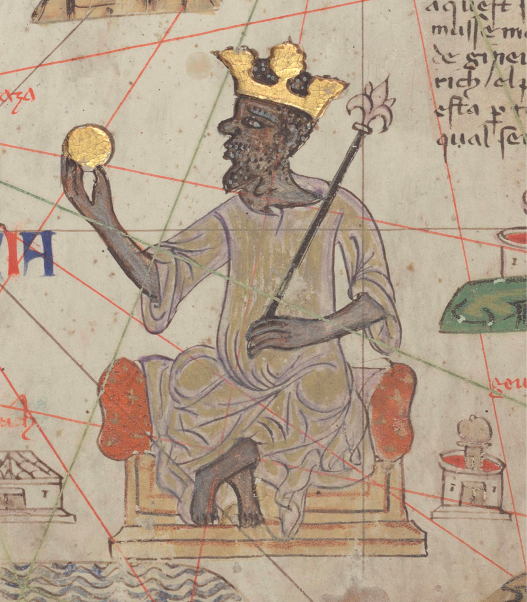
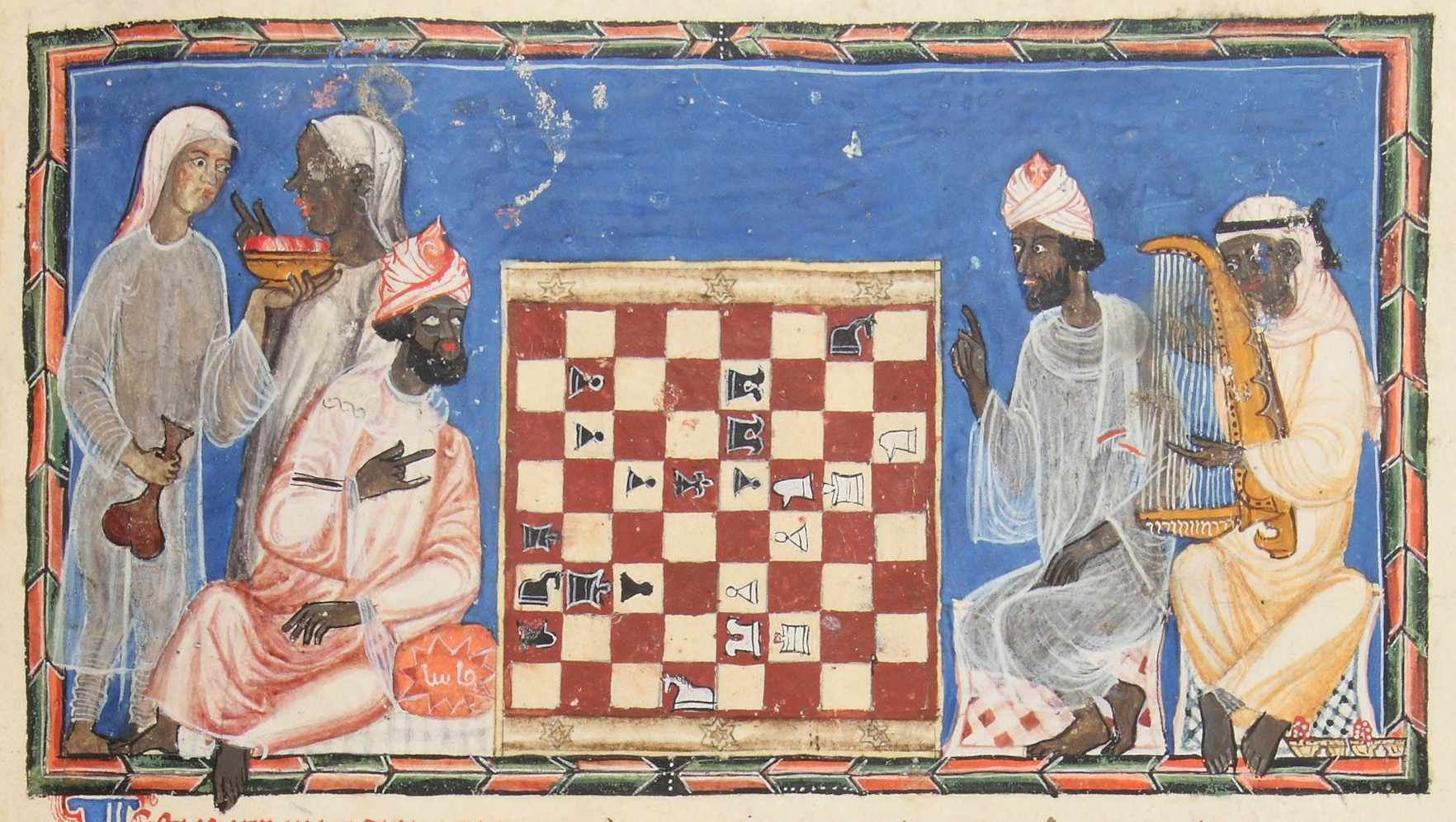
Centuries before the advent of industrialized travel, the Silk Roads network connected creators and consumers in lands as distant as Iceland, West Africa, and China. Medieval travelers recorded their experiences and encounters and left their legacies imprinted in archaeological records. This course invites students to read along the Silk Roads, tracing cross-cultural encounters made possible by these remarkable networks. We will read first-hand accounts of Arab travelers in medieval Russia, Mali, Somalia, and Indonesia. Moving into the Christian world, we’ll read texts like Marco Polo’s praise-filled account of the Mongolian Kublai Khan, who ruled lands from Iran to Korea. Finally, we will read Larissa Lai’s queer historic-fantasy novel When Fox is a Thousand, confronting contemporary questions about identity, diaspora, and our own histories.
The class fulfills the (1) Medieval period requirement for English major, (2) Writers of Color requirement for English major, (3) Internationalism req for the college, (4) WA req for the college.
The class fulfills the (1) Medieval period requirement for English major, (2) Writers of Color requirement for English major, (3) Internationalism req for the college, (4) WA req for the college.
- Teacher: Coral Lumbley
- Teacher: Laura Smith
Category: Miscellaneous