
- Teacher: Christina Hughes
Macalester Moodle
Search results: 267
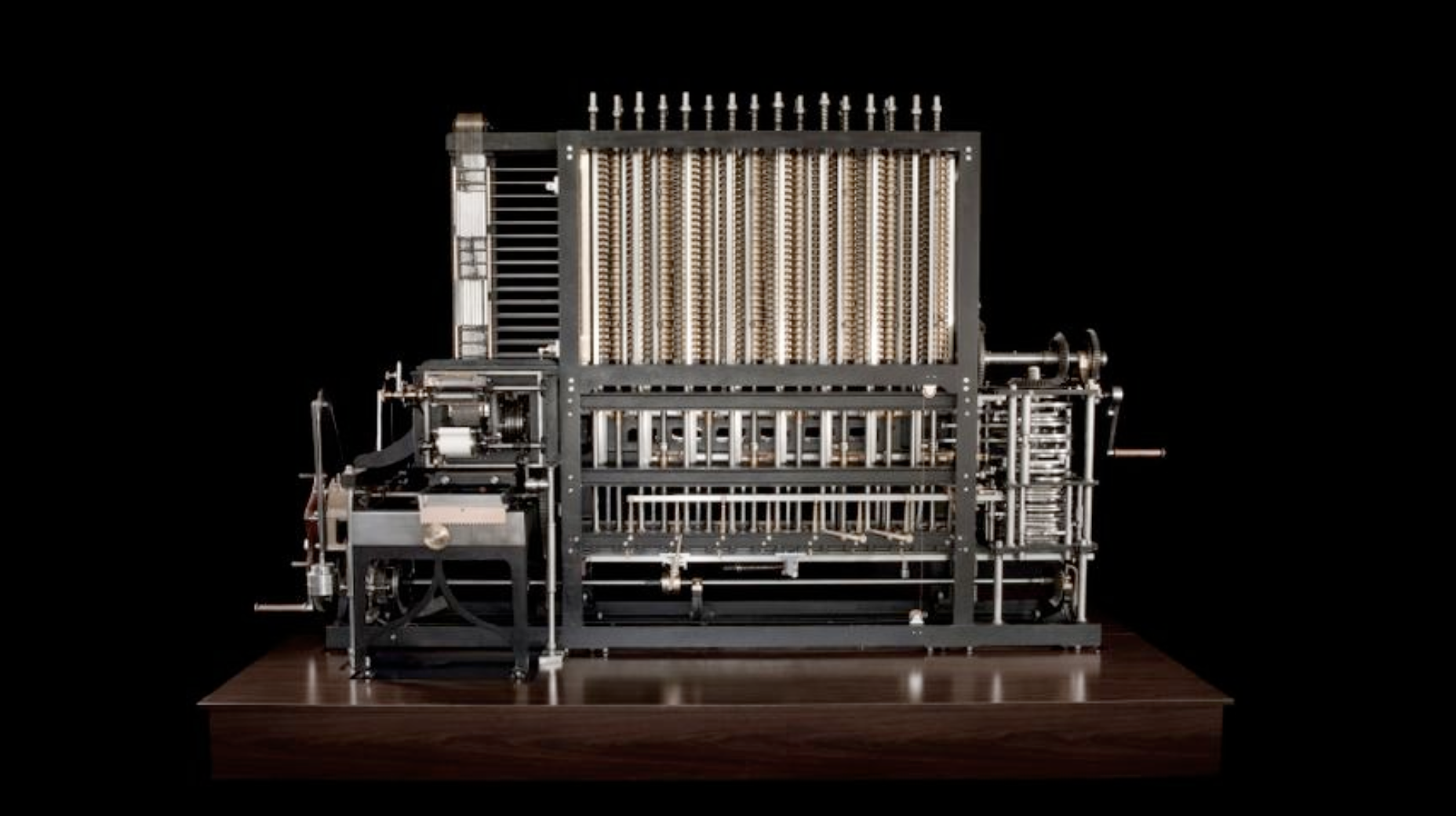
Symbolic logic is the formal study of reasoning, inference, and proof. This course will focus on deductive logic, including the formal analysis of statements and arguments, sentential and quantified logics, formal semantics, and logical proofs. We will also explore some philosophical questions about logic (e.g., is there only one correct system of logic?) as well as philosophical issues arising within our study of logic.
During this course, you will:
1. master concepts and technical vocabulary that will enable you to think clearly about arguments;
2. become proficient at translating sentences from English into formal languages;
3. master basic techniques for testing arguments for validity;
4. develop your pattern recognition skills, which will permit you to tell good arguments and reasoning patterns from bad ones; and
5. explore philosophical questions about logic as well as other philosophical issues arising within our study of logic.
During this course, you will:
1. master concepts and technical vocabulary that will enable you to think clearly about arguments;
2. become proficient at translating sentences from English into formal languages;
3. master basic techniques for testing arguments for validity;
4. develop your pattern recognition skills, which will permit you to tell good arguments and reasoning patterns from bad ones; and
5. explore philosophical questions about logic as well as other philosophical issues arising within our study of logic.
- Teacher: Elliott DeWitte
- Teacher: Max Dresow
- Teacher: Adrien Wright
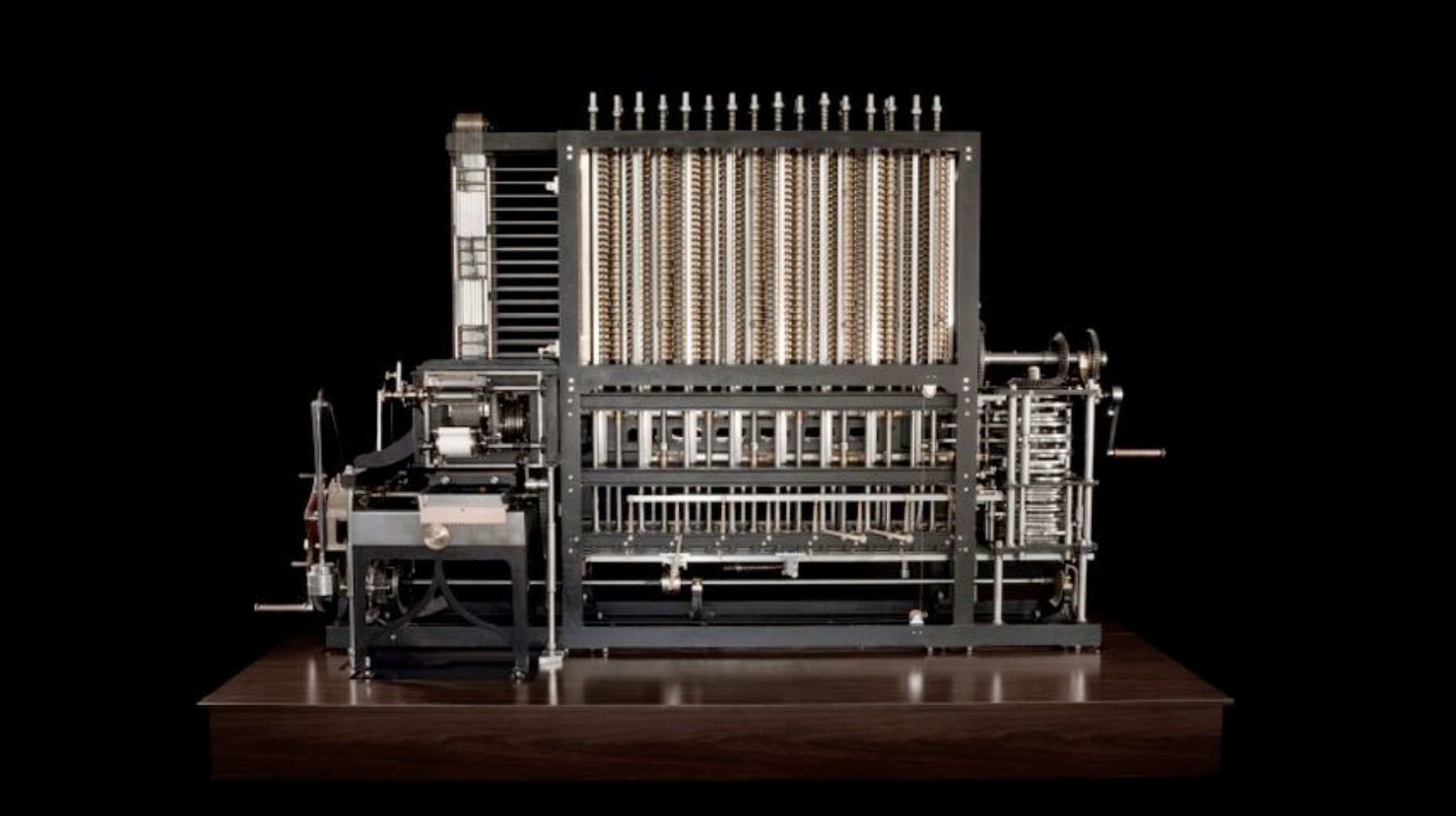
Formal logic is the formal study of reasoning, inference, and proof. This course will focus on deductive logic, including the formal analysis of statements and arguments, sentential and quantified logics, formal semantics, and logical proofs. We will also explore some philosophical questions about logic (e.g., is there only one correct system of logic?) as well as philosophical issues arising within our study of logic.
During this course, you will:
1. master concepts and technical vocabulary that will enable you to think clearly about arguments;
2. become proficient at translating sentences from English into formal languages;
3. master basic techniques for testing arguments for validity;
4. develop your pattern recognition skills, which will permit you to tell good arguments and reasoning patterns from bad ones; and
5. explore philosophical questions about logic as well as other philosophical issues arising within our study of logic.
During this course, you will:
1. master concepts and technical vocabulary that will enable you to think clearly about arguments;
2. become proficient at translating sentences from English into formal languages;
3. master basic techniques for testing arguments for validity;
4. develop your pattern recognition skills, which will permit you to tell good arguments and reasoning patterns from bad ones; and
5. explore philosophical questions about logic as well as other philosophical issues arising within our study of logic.
- Teacher: Elliott DeWitte
- Teacher: Max Dresow
- Teacher: Adrien Wright

- Teacher: Brian Adams
- Teacher: Saki Khan
Since the invention of film, audiences have been fascinated by fantastic depictions of the Middle Ages on screen. Audiences love escaping into mysterious worlds of adventure with kings, warriors, and princesses. But how much do these movies really have to do with the historical Middle Ages? Do they illuminate truths or manufacture lies? Was this time period really as exciting, romantic, and dangerous as we imagine? In this class, we will dive into medieval movies and use actual historical sources to see how “accurate” the movies are. In the end, we will find out what modern movies say not just about medieval societies, but how they are actually a mirror for modern-day viewers.
As a First-Year Course, this class will familiarize you with college-level materials and methods, including seminar discussions and written analysis. The class will also introduce you to various resources on campus, from health services to tech rentals.
Learning Outcomes:
Develop analytical skills and critical vocabulary using film and text
Generate profound ideas using community knowledge-weaving
Learn how the Middle Ages get translated for modern audiences
Demonstrate understanding in analytic writing and creative film-making
As a First-Year Course, this class will familiarize you with college-level materials and methods, including seminar discussions and written analysis. The class will also introduce you to various resources on campus, from health services to tech rentals.
Learning Outcomes:
Develop analytical skills and critical vocabulary using film and text
Generate profound ideas using community knowledge-weaving
Learn how the Middle Ages get translated for modern audiences
Demonstrate understanding in analytic writing and creative film-making
- Teacher: Coral Lumbley

Reading Plays guides students in close readings of dramatic literature, in particular of plays that are typically left out of the traditional theatrical canon.
Students will learn about the socio-historical context of each play, and in-
class exercises will introduce them to the foundation of script analysis: they will
examine the play's given circumstances, dialogue, dramatic action, characters, and style. Students will read a new play every week; assignments include weekly in- class writing exercises and short critical papers. This course introduces students to contemporary Indigenous theatre and performance (writ large) produced and performed in what is now known as Canada and the United States, and to the theoretical frames provided by Indigenous scholars and artists to engage with these works. While in no way exhaustive, this broad survey includes theatre, dance, film, and music and begins in the 1960’s and ends with current productions.
Students will learn about the socio-historical context of each play, and in-
class exercises will introduce them to the foundation of script analysis: they will
examine the play's given circumstances, dialogue, dramatic action, characters, and style. Students will read a new play every week; assignments include weekly in- class writing exercises and short critical papers. This course introduces students to contemporary Indigenous theatre and performance (writ large) produced and performed in what is now known as Canada and the United States, and to the theoretical frames provided by Indigenous scholars and artists to engage with these works. While in no way exhaustive, this broad survey includes theatre, dance, film, and music and begins in the 1960’s and ends with current productions.
- Teacher: Sam Mitchell
Course Description
Like Latin and Greek in Europe, Sanskrit is a highly inflected language of scholarship, and revered in India as the perfect medium for discourse on everything from science and sex to philosophy and religion. (In modern Hindi, sanskriti means “culture.”) It flourished in its classical form after the age of the Buddha (5th century BC) and served as a scholarly lingua franca in India until the Islamic period and beyond. This course serves as an introduction to the grammar and script of Sanskrit, and we will advance to a point of reading simplified texts from the classical epic Ramayana. Students will be expected to attend class regularly and spend six hours a week outside class studying the grammar and vocabulary. Without this sort of effort, no progress is possible in such a complex language. In addition to the rigorous study of the language, we will consider both the role of the language in classical Indian culture and religion, and some texts from the Ramayana, looking at both English translations and Sanskrit originals.
Like Latin and Greek in Europe, Sanskrit is a highly inflected language of scholarship, and revered in India as the perfect medium for discourse on everything from science and sex to philosophy and religion. (In modern Hindi, sanskriti means “culture.”) It flourished in its classical form after the age of the Buddha (5th century BC) and served as a scholarly lingua franca in India until the Islamic period and beyond. This course serves as an introduction to the grammar and script of Sanskrit, and we will advance to a point of reading simplified texts from the classical epic Ramayana. Students will be expected to attend class regularly and spend six hours a week outside class studying the grammar and vocabulary. Without this sort of effort, no progress is possible in such a complex language. In addition to the rigorous study of the language, we will consider both the role of the language in classical Indian culture and religion, and some texts from the Ramayana, looking at both English translations and Sanskrit originals.
- Teacher: James Laine
ENGL
- Teacher: Sarah Ghazal Ali
INTL
- Teacher: Earle Cheshire-Wood
- Teacher: Nadya Nedelsky

Write a concise and interesting paragraph here that explains what this course is about
- Teacher: Daylanne English
ART
- Teacher: Jennifer Awes Freeman
COMP
- Teacher: Susan Fox
- Teacher: Kelsey Grinde
RELI
- Teacher: Erik Davis
Write a concise and interesting paragraph here that explains what this course is about
- Teacher: Zuoyu Tian


Write a concise and interesting paragraph here that explains what this course is about
- Teacher: Alicia Johnson
Write a concise and interesting paragraph here that explains what this course is about
- Teacher: Brianna Heggeseth

Write a concise and interesting paragraph here that explains what this course is about
- Teacher: Andrew Beveridge