
MATH
Macalester Moodle
検索結果: 370

- 教師: Anderson Michael
- 教師: Dosch Jerald
- 教師: Leckey Lola
- 教師: Maddox Simone
References and information for student workers in the Civic Engagement Center.
- 教師: Janisch Ruth
- 教師: Johnson Derek
- 教師: McClure Sedric
- 教師: Weeks Rachel
- 教師: Wegner Samuel
カテゴリ: Miscellaneous


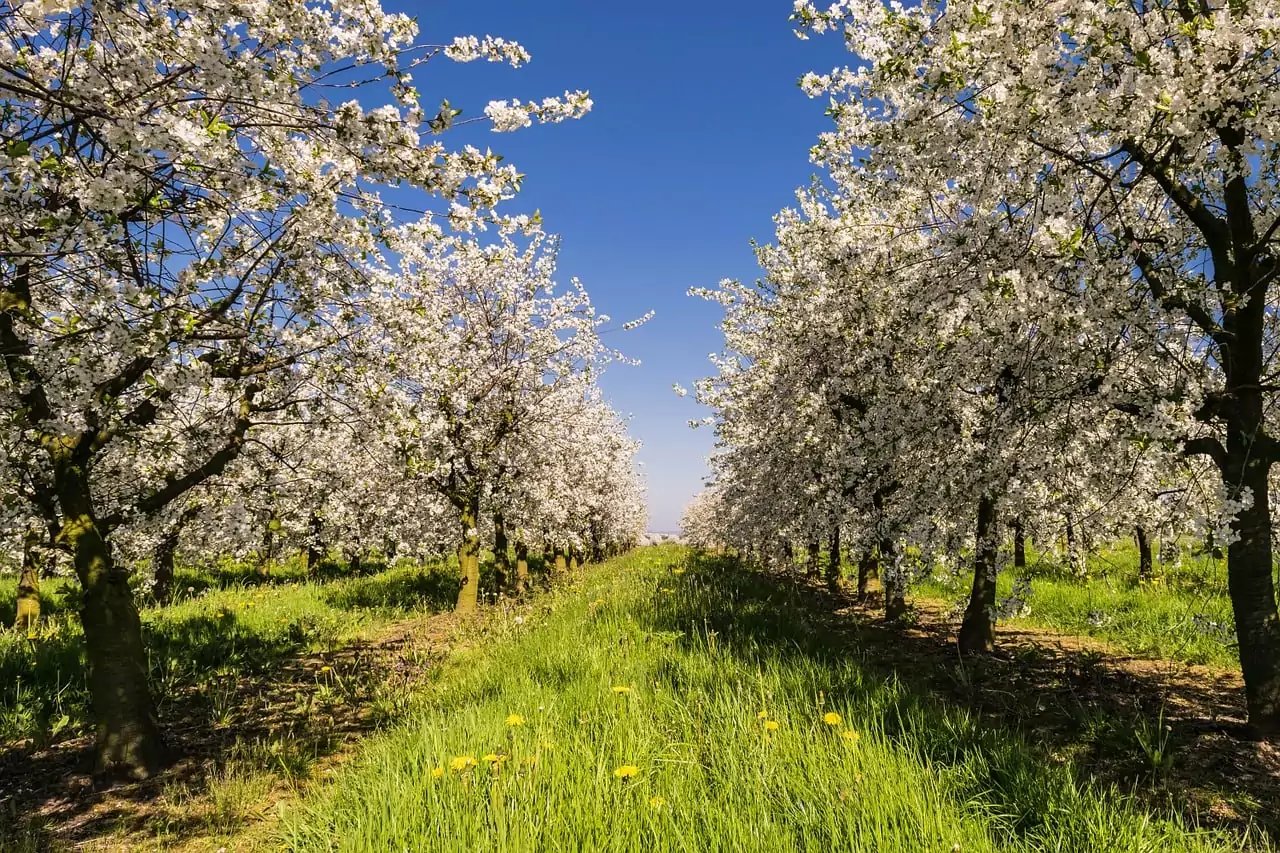
This course introduces students to the science and the art of negotiation to address environmental problem-solving opportunities. Through the lens of negotiations, psychology, and organizational behavior we will examine challenges that arise in environmental policy-making, natural resource management, and community decision-making. Students will develop a personal toolkit of negotiation skills through participation in weekly simulations while simultaneously building and defining a portfolio of effective communication and leadership capabilities.
- 教師: Kuwabara Takeo
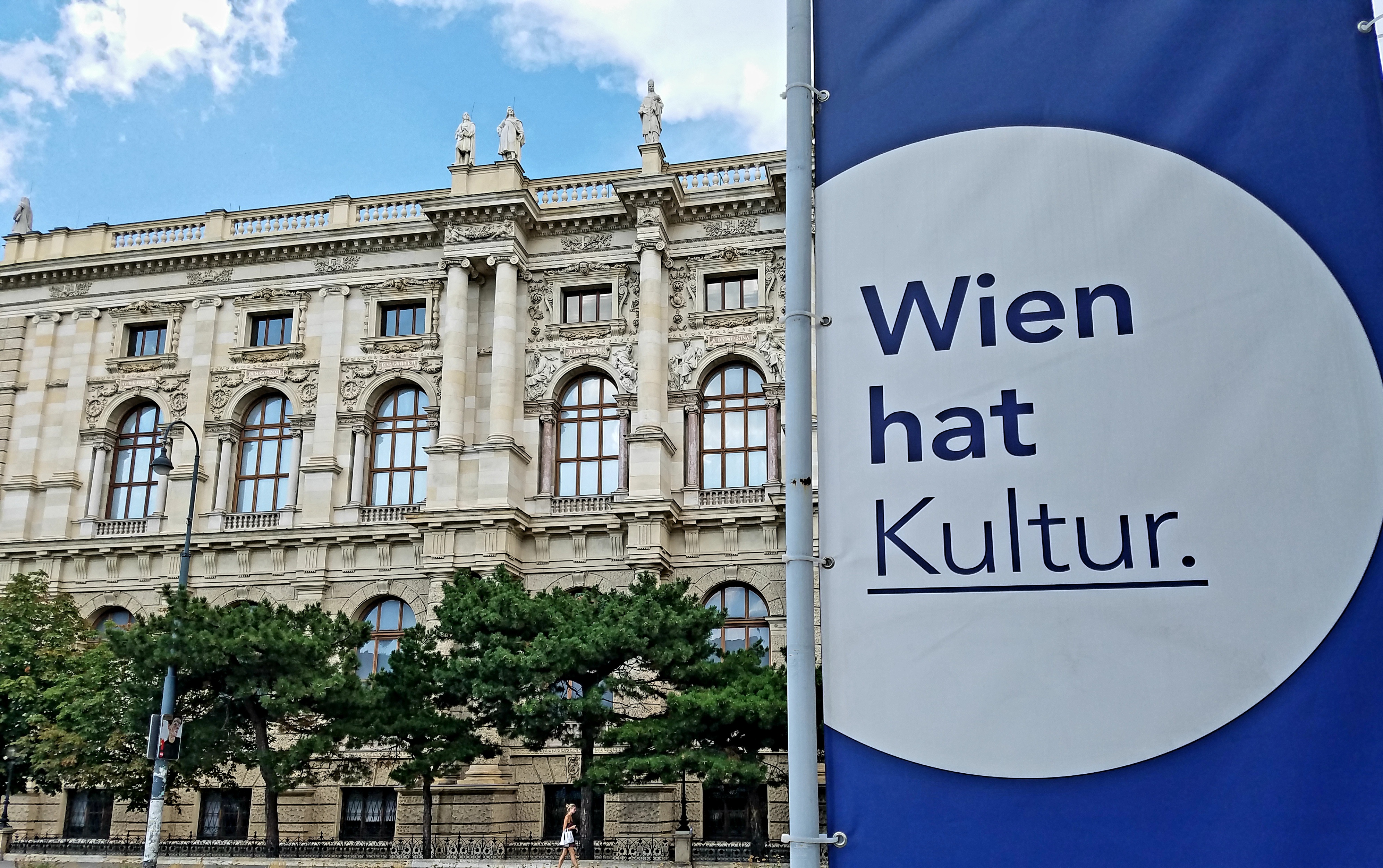

What is college writing? How do different academic disciplines create, perform, and share knowledge through writing? What is considered “good” writing in the academy, and who gets to decide? In this course, students will develop a theory and practice of writing that can assist them in their academic careers and beyond. To do so, we will study how writing functions and is evaluated in various contexts. Particular focus will be placed on analyzing rhetorical situations and genre conventions of academic writing from various disciplines to demystify and open the troublesome evaluation of “good” vs. “bad” writing/writers. Reading, writing, and in-class discussion will be the primary work of the course, and emphasis will be placed on writing as a process: students will engage in regular informal writing exercises, practice drafting and revising for major writing assignments, and receive consistent feedback on their writing from the instructor and their peers. By the end of the course, students will complete at least 20 pages of formal academic writing.
- Instructor: Lawrence Alyssa
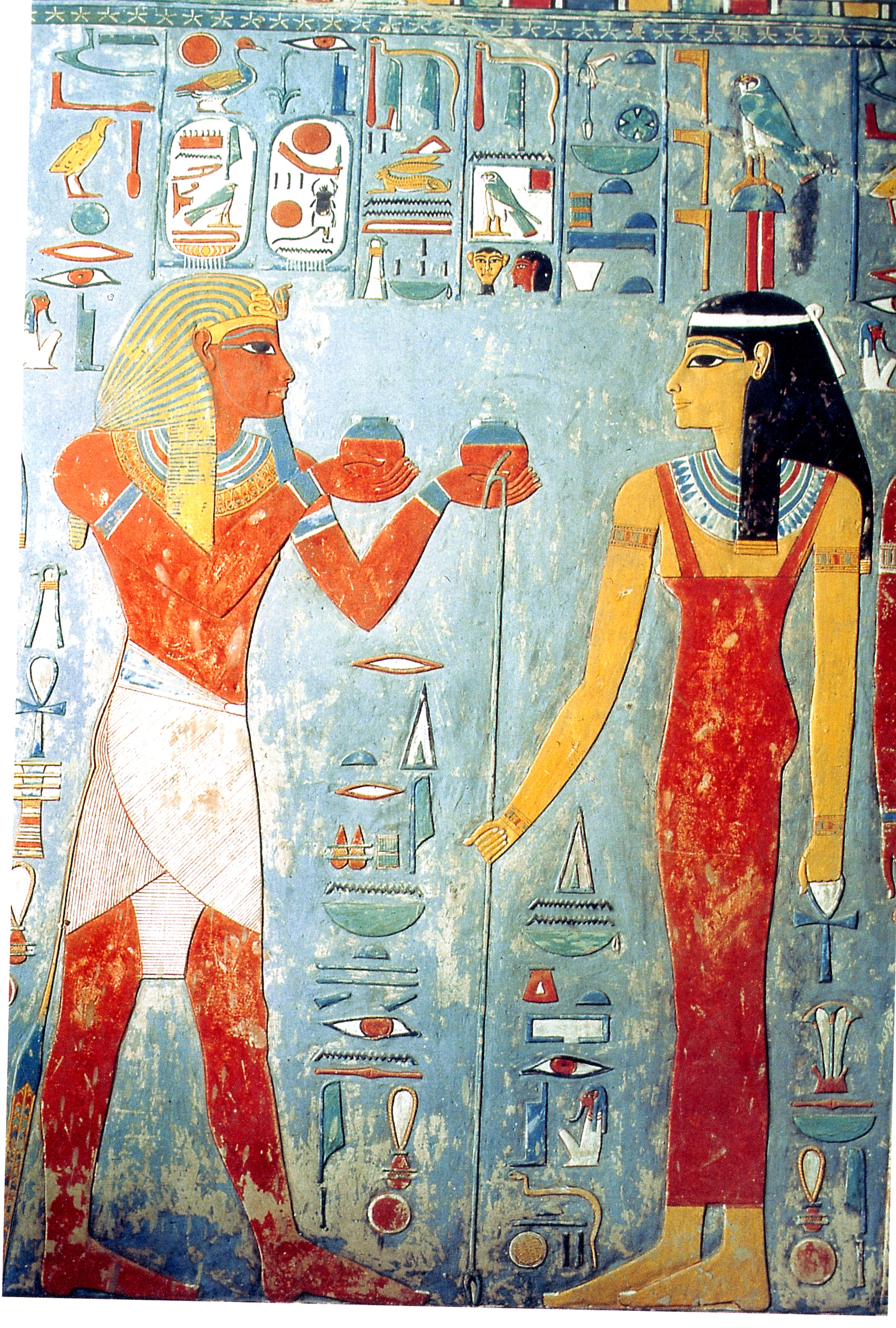
Ancient Egyptians invested immense resources in beautifully designed and crafted artworks and architectural spaces, many of which have survived today presenting spectacular views to contemporary beholders. Why this society assigned such a high value to art? What was its purpose and meaning? Who were the patrons and the intended audience? This course will explore the making, function, and reception of Egyptian art and architecture in its socio-economic and political contexts from pre-dynastic times (ca. 5300–3000 BCE) to the advent of Alexander the Great (332 BCE). The lectures and class discussions will focus on concepts of design, representation and aesthetics in Egypt, and explore the uses of art objects and monuments in politics, religion (both state and private cults), and burial practices. Addressing various topics such as pharaonic ideology, imperialism, gender, and afterlife, this course will help you comprehend the fundamental place of art and visual culture for the creation and sustenance of one of the oldest civilizations in the world.
- 教師: Yalçin Serdar

These days, there is a lot of talk about the changing terms of formal employment, and related concerns have only intensified amidst the COVID-19 pandemic. Entrepreneurs, gig workers, online contractors and now an unprecedented number of telecommuters are challenging conventional models of the nine-to-five job. But nine-to-five has hardly been the norm throughout history, nor does it describe the typical work experience around the world today. This course takes an anthropological approach to consider the contemporary diversity of working worlds and worker experiences, as well as important historical shifts that have brought us to this moment, are currently underway, and will carry us into new working futures. Gender, race, class, and age are all deeply implicated in unequal systems here, as are powerful environmental, economic and political forces. Who has to work? Who gets to work? Who is able to work safely? Who is empowered by it and who is exploited? Why do we work? What/Whose work is most valued? When will the robots come for our jobs? …What might a world without work look like? Drawing on examples from around the world, and materials ranging from ethnographic writing and film to popular media, u/dystopian fiction, as well as our own personal experiences, we will take a comparative approach to these and other pressing questions raised by today’s diverse and shifting worlds of work.
This course qualifies for the U.S.I.D. or Internationalism designation.
This course qualifies for the U.S.I.D. or Internationalism designation.
- 教師: Chart Hilary
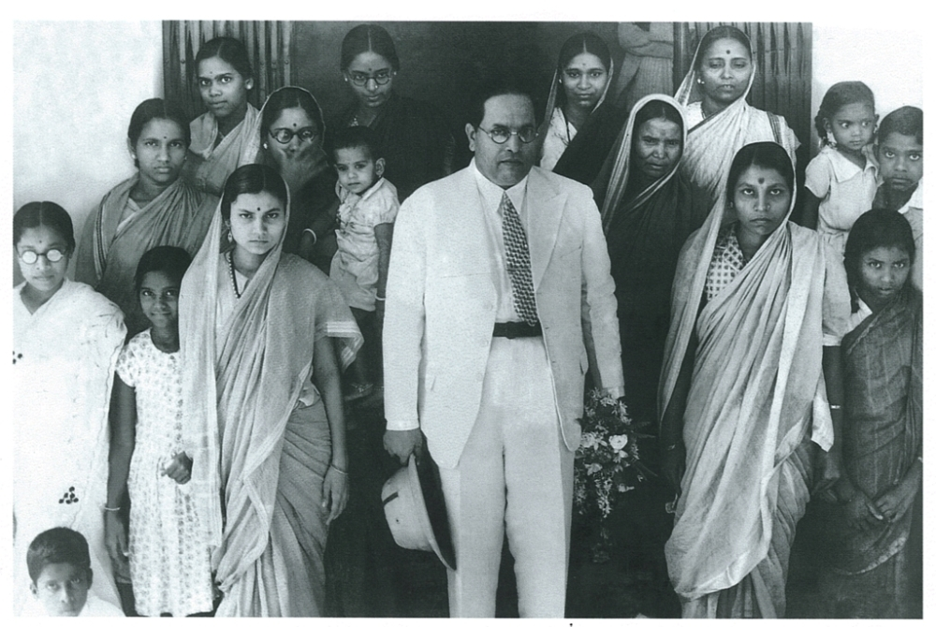
In 1947, India embarked upon one of the world’s most ambitious experiments in postcolonial democracy. This course surveys the history of the Indian state and society in the decades following the formal end of colonial rule, as the country sought to rebuild its economy, institute a new political system, and usher in large-scale social change. Given India’s immense cultural and social diversity, this was no easy task. It required answering a range of questions: How would the state ensure the rights of the country’s minorities? How would the country’s model of economic growth address wide-ranging demands for social equality? Which of India’s many languages would be designated its official language? Underlying all these questions were debates concerning the history, present, and future of Indian society.
In this course, we will consider postcolonial India from its “margins”, that is, by centering the perspectives of migrant workers, Dalits, women, and/or revolutionaries. We will use the ideas and practices crafted by these groups as our guides in assessing the political record of the Indian state.
While surveying this history, we will also study recent shifts and challenges confronting Indian democracy. Today, India is one of the fastest growing economies; it is also a country with some of the most extreme forms of social inequality. According to a recent report by Oxfam, 10% of the Indian population holds 77% of the country’s national wealth. However, reports of social inequality in India, such as the one cited above, exist alongside celebrations of its status as the “world’s largest democracy” in the national press and in global media. Considering this, what does it mean to call India a “democracy”? How do we assess the successes and failures of Indian democracy?
The challenges we will discuss are not unique to Indian democracy. Democracies everywhere struggle to balance the claims of freedom for individuals with the promise of social equality for all. India’s paradoxical, complex, and contradictory encounter with democracy has produced a rich archive of debate and contestation on this issue. This course will not only introduce you to key events, ideas, and issues shaping postcolonial Indian history, but also provide you with conceptual resources to investigate political ideas like democracy in a global, historical perspective.
Through a combination of secondary texts and a range of primary sources from postcolonial Indian history, we will develop a complex picture of the relationship, often contradictory, between the promises of democracy, development, and decolonization in postcolonial societies. You do not require any prior knowledge of Indian history or languages for this course.
In this course, we will consider postcolonial India from its “margins”, that is, by centering the perspectives of migrant workers, Dalits, women, and/or revolutionaries. We will use the ideas and practices crafted by these groups as our guides in assessing the political record of the Indian state.
While surveying this history, we will also study recent shifts and challenges confronting Indian democracy. Today, India is one of the fastest growing economies; it is also a country with some of the most extreme forms of social inequality. According to a recent report by Oxfam, 10% of the Indian population holds 77% of the country’s national wealth. However, reports of social inequality in India, such as the one cited above, exist alongside celebrations of its status as the “world’s largest democracy” in the national press and in global media. Considering this, what does it mean to call India a “democracy”? How do we assess the successes and failures of Indian democracy?
The challenges we will discuss are not unique to Indian democracy. Democracies everywhere struggle to balance the claims of freedom for individuals with the promise of social equality for all. India’s paradoxical, complex, and contradictory encounter with democracy has produced a rich archive of debate and contestation on this issue. This course will not only introduce you to key events, ideas, and issues shaping postcolonial Indian history, but also provide you with conceptual resources to investigate political ideas like democracy in a global, historical perspective.
Through a combination of secondary texts and a range of primary sources from postcolonial Indian history, we will develop a complex picture of the relationship, often contradictory, between the promises of democracy, development, and decolonization in postcolonial societies. You do not require any prior knowledge of Indian history or languages for this course.
- 教師: Yadav Niharika
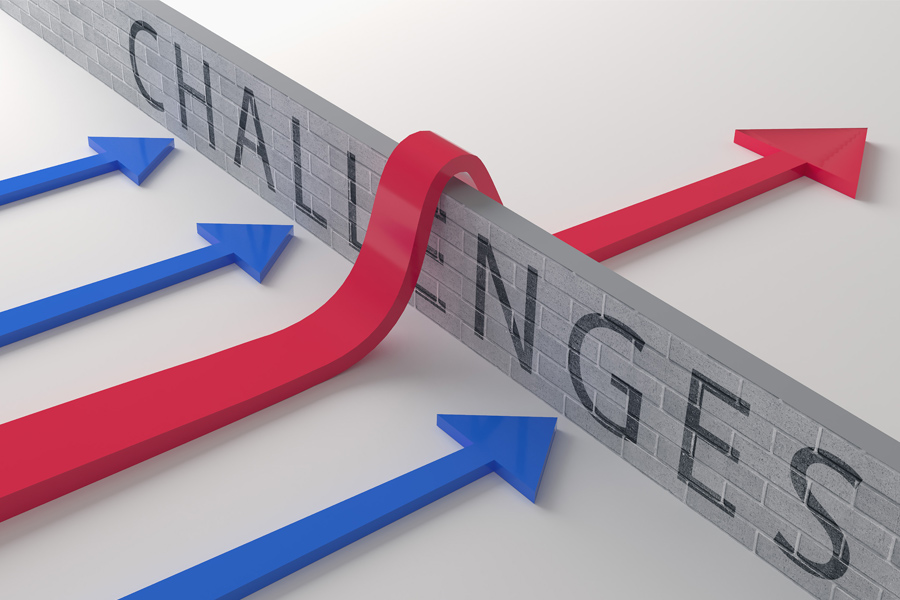
Let's get started *Applying Developmental Psychology to 21st Century Challenges!*
Developmental psychology has generated theories, research evidence, and scientific tools for fostering resilient societies where children and families from diverse backgrounds can thrive. This course will apply insights from developmental psychology to understand major societal trends impacting the developing child, including pandemics, migration, racial justice movements, mental health, and climate change. Students will survey the latest research on these topics and critically analyze every step of the scientific process, from grant funding, to choosing ethical and effective research methods, to the communication of scientific findings to the public and policymakers.
Developmental psychology has generated theories, research evidence, and scientific tools for fostering resilient societies where children and families from diverse backgrounds can thrive. This course will apply insights from developmental psychology to understand major societal trends impacting the developing child, including pandemics, migration, racial justice movements, mental health, and climate change. Students will survey the latest research on these topics and critically analyze every step of the scientific process, from grant funding, to choosing ethical and effective research methods, to the communication of scientific findings to the public and policymakers.
- 教師: Gillespie Sarah
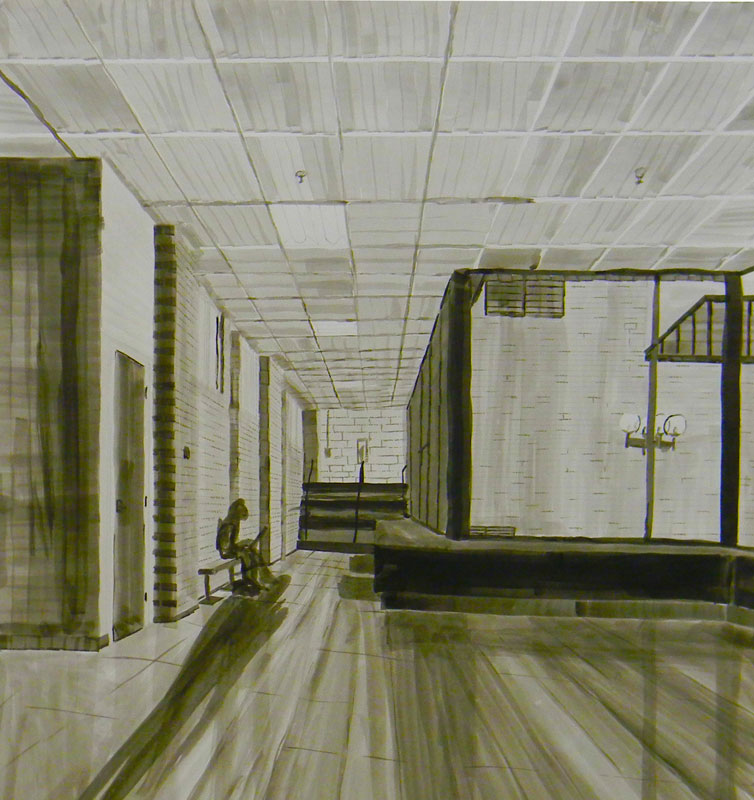
This course introduces students to the fundamental concepts, techniques and practices of drawing. Through a variety of exercises and projects, students will explore line, shape, form, perspective, composition and value using various drawing materials with the goal of developing freehand drawing skills.
- 教師: Chambers Brandon